Trauma and Hearing

The Unseen Echoes: How Trauma Shapes the Way We Hear
When we think about post-traumatic stress disorder, we usually picture the psychological and emotional toll. The flashbacks, the heavy burden of anxiety, and the sleep disturbances take center stage in most conversations about trauma. But trauma leaves deep physical footprints, too. One of the most fascinating and frustrating ways a dysregulated nervous system manifests is right inside our ears. The connection between PTSD and audiological issues is a daily reality for many.
The Alarm Bell That Won't Stop
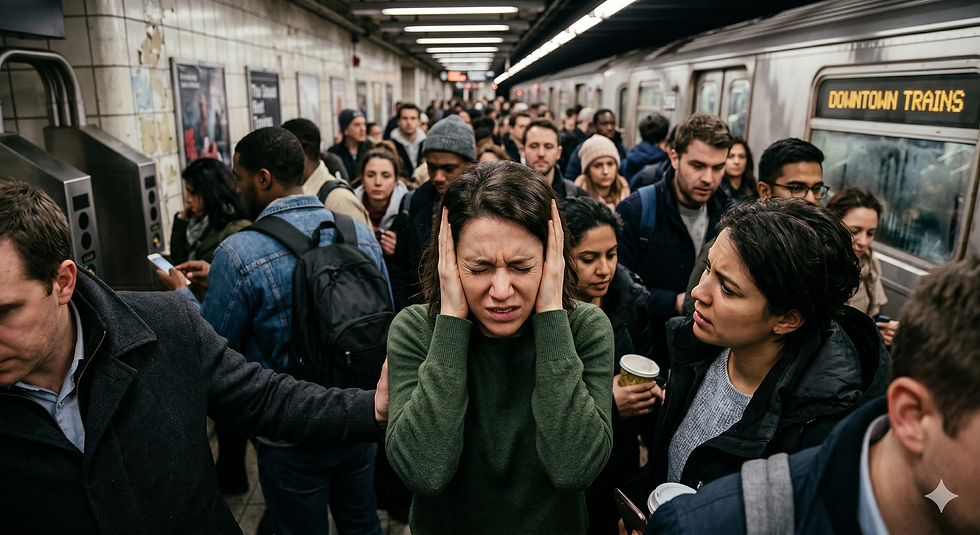
Tinnitus is often described as a constant ringing, buzzing, or hissing in the ears. For trauma survivors, particularly veterans or those who have been exposed to high-impact events, this condition is incredibly common. While tinnitus often originates from physical acoustic trauma or traumatic brain injury, its severity is deeply intertwined with our emotional state. The nervous system of someone living with PTSD is locked in a state of hyperarousal. Because the brain is working overtime to monitor the environment for danger, it inadvertently amplifies internal signals. What might be a mild, ignorable ringing for a regulated nervous system becomes an alarm bell that the traumatized brain simply cannot tune out.
When the Everyday World is Too Loud
Another profound audiological challenge is hyperacusis, which is an extreme sensitivity to everyday sounds. For someone struggling with this, a slammed car door, a dropping pan, or a sudden burst of laughter doesn't just cause a mild startle. It can feel physically painful or trigger an immediate, overwhelming fight-or-flight response. The traumatized brain is constantly scanning the horizon for threats, causing the auditory system to become hyper-vigilant. It stops effectively filtering out "safe" noises and begins treating ordinary background clatter as a sign of imminent danger.
The Struggle to Filter and Process
The audiological impact of trauma is not just about the volume or presence of sound, but how the brain actually processes it. Individuals with PTSD frequently report struggling to follow conversations in crowded rooms or noisy environments. Functionally, their ears work perfectly fine. However, the cognitive load of hypervigilance drains the mental energy required to isolate a single voice from a sea of background noise. The brain is so busy tracking every footstep, shifting chair, and distant siren that it has no bandwidth left for the conversation right in front of them. This auditory fatigue can make social situations deeply exhausting.
Finding the Quiet
Addressing these audiological issues requires looking at the whole picture, along with a healthy dose of acceptance. Audiologists can provide excellent tools like masking devices or sound therapies to help habituate the brain to tinnitus. Psychological work to defuse from the biological processes and tolerate distress can also provide an anchor of actual relief. Modalities that focus on grounding the body and down-regulating the nervous system help bring the mind out of its constant state of alarm. Healing from trauma is a whole-body process, and recognizing the powerful link between our emotional landscape and our auditory system is a vital step toward finally finding a sense of peace.


Comments